5 January 2026
How to change a plug socket: What you need to know
Ever looked at a tired, cracked plug socket and thought, “That needs sorting”? Whether it’s part of a refresh or you’ve spotted a fault, changing a socket might seem daunting, but it doesn’t have to be.
By the end of this article, you’ll know which tools you need, the steps involved, and most importantly, when it’s safer and easier to just Ding it.
A quick safety notice
Electricity is no joke. Any time you’re working with electrics, there are real risks if things aren’t done correctly. If you’re not fully confident, stop right here. One of our Ding electricians will be happy to help.
Even if you start and then feel unsure, it’s never too late to call in help. Our expert engineers will sort it safely, quickly, and reliably.
Some key things to remember before starting any work:
Always isolate the power at the fuse box before starting
Use a voltage or socket tester to make sure the power really is off
Ensure wire insulation runs right up to the screw terminals to ensure no copper is left exposed
If in doubt? Don’t wing it. Just Ding it.
Tools needed to change a plug socket
For a straightforward socket swap, you’ll need:
Insulated screwdriver
Voltage tester or socket tester
Wire strippers
New plug socket (check the right type for your wall)
Screws (often supplied with the socket)
Green/yellow sleeving (if required)
Don’t fancy buying tools you’ll only use once? Save the hassle and book with one of our Ding electricians instead.
How to safely change a plug socket
1. Isolate the power
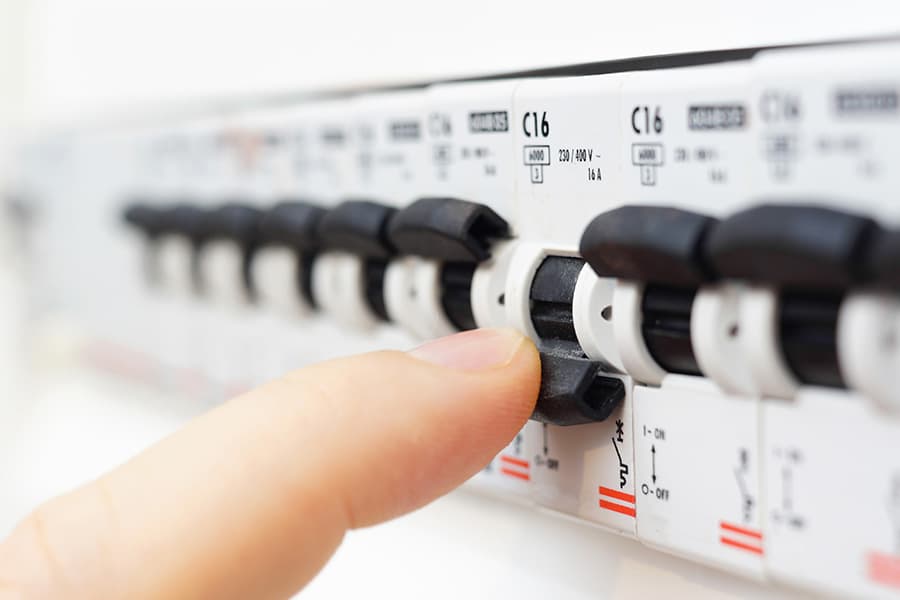
This is the golden rule. Go to your fuse box, find the circuit breaker for the area you’re working on, and switch it off. Then double-check with your voltage tester at the socket to confirm the power’s completely dead before starting.
2. Remove the old plug socket
Using your insulated screwdriver, carefully unscrew the faceplate and ease it away from the wall. Take a quick photo first so you know exactly where each wire goes when it’s time to reconnect. Then disconnect the wires by unscrewing the connections at the terminal.
Tips from our experts: New sockets can sometimes have terminals in different places. Always check the manufacturer’s instructions before rewiring to ensure each wire is connected exactly where it should be.
3. Wire the new plug socket
Firstly, inspect the wires carefully. If they’re frayed or damaged, the safest option is to stop and call a qualified electrician. If the damage is only at the ends and there’s enough length, you can cut back the cores, strip the ends so around 5mm of copper is exposed, and cover the earth core with green and yellow sleeving if needed.
Once the wires are secure, insert them into the correct terminals on the new socket and tighten the screws firmly, ensuring no copper wire is left exposed.
Confused about wiring colours?
The colour of the wires will let you know which terminal to connect them to. The terminals on the back of the socket will be labelled:
L – live
N – Neutral
Earth – usually a circular symbol with horizontal lines
Wiring colours have changed over time, so if you have older wiring and you’re not sure which wire should go into which terminal, call an electrician. We’ve put together a quick wiring guide below.
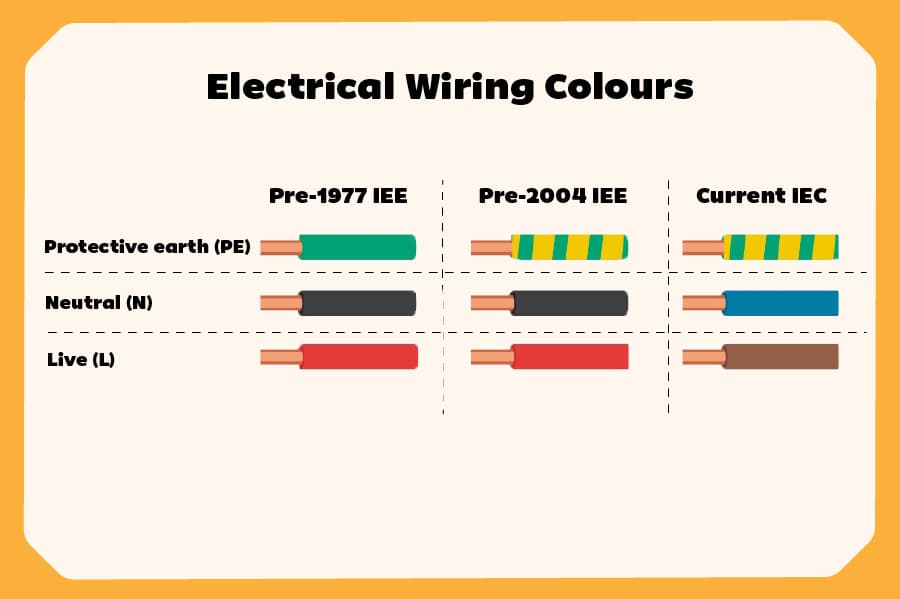
4. Fit the new plug socket faceplate

Carefully push the new socket back into position, making sure that the wires aren't being pinched by the faceplate. Then screw the faceplate securely into place, making sure it sits flush against the wall.
5. Test the new plug socket
Switch the power back on at the fuse box, then test the socket using your voltage tester or socket tester to confirm it’s working as it should.
If it doesn’t work or if you spot anything unusual, stop and book a Ding repair. It’s safer to let an expert finish the job than risk a faulty connection.
Want to change multiple plug sockets?
One socket can be a manageable DIY task. However, if you’re looking to replace several, maybe as part of a renovation, then that’s a much bigger job. Wiring multiple sockets can get complex quickly, and mistakes can be dangerous.
This is where bringing Ding in can make your life much easier (and less…shocking!) Our engineers handle bigger projects with ease, giving you peace of mind that the job’s done right, to the highest standard. Best of all, you can feel confident your electrics are safe.
Need your plug sockets changed? Just Ding it
If you’re not 100% sure, don’t take chances with your electrics. Ding is here to help with plug socket replacements, big or small, and we can also take care of a wide range of other electrical repairs around your home.
Book a plug socket job with Ding for a professional, friendly, guaranteed service—so you can relax knowing your home is in safe hands.
Written by:

Sam Starbuck
Electrical Technical Compliance
Sam brings over 30 years of expertise in electrical repairs and installations across domestic, commercial, and industrial projects. Now an electrical expert for Ding’s Technical Governance Team, he focuses on ensuring technical accuracy and industry compliance across all company operations.
Whatever your job—just Ding it.
Become a member today
For just £5/month and get direct access to trusted plumbers, electricians, and gas engineers—ready to tackle your immediate and future repairs.
Need something else?

Electrical guides
Didn't find what you were looking for? We've got more electrical guides straight from our experts.

Electrical repairs
Don't fancy tackling this job yourself? Check out our electrical repairs and prices.